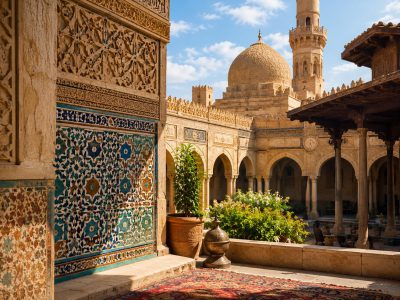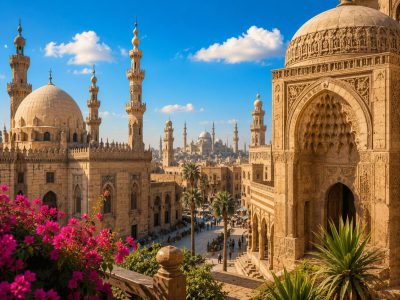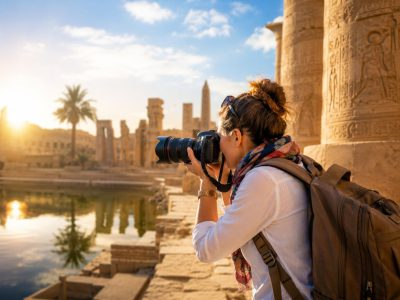

A practical course that teaches you how to turn your photographic archive from files sitting on a hard drive into a real source of income. It is the companion to “Master Documentary Photography of Historic Buildings and Sites”: the first course teaches you how a photograph is made, and this one teaches you how it is sold.
The idea the whole course rests on is that a photograph becomes sellable at the moment it is taken, not after it is uploaded. Most images that are rejected, or that sit online without ever selling, failed because of decisions made while the photographer was still standing on site: who appeared in the frame and whether their consent was obtained, whether a trademark is visible, and whether the image is fit for commercial use or for editorial use only.
For that reason the course begins with planning the shoot rather than with uploading. It then takes the trainee through the full journey: understanding the market and who buys images, permissions and site permits, choosing a platform and preparing files, writing image data so the work becomes discoverable in search, and finally pricing, licensing and direct marketing.
By the end of this course, participants will be able to:
1. Distinguish between commercial and editorial images, and classify an entire archive on that basis.
2. Identify the document or permission each image requires before the shoot rather than after it.
3. Handle logos and trademarks, and the photography restrictions that apply at archaeological sites and museums.
4. Build a considered shot list that covers what buyers need, before going out to the site.
5. Choose the platform that suits them against clear criteria, rather than by reputation or hearsay.
6. Prepare files to platform technical specifications and upload a first batch of their own work.
7. Read rejection reasons and treat them as information that corrects the work, not as a verdict on their talent.
8. Write image titles, descriptions and keywords that make the work discoverable in search results.
9. Price their work by a clear method, and understand licence types and the rights retained under each.
10. Build a compact portfolio and approach clients and institutions directly using ready-made tools.
11. Evaluate any new platform independently in future, without relying on a list of names that goes out of date.
Course Features
- Lectures 5
- Quiz 0
- Duration 1680:00:00
- Skill level All levels
- Language Arabic
- Students 0
- Assessments Yes
Curriculumm
- 5 Sections
- 5 Lessons
- 10 Weeks
- Lecture 1 : Mapping the Market and Classifying the Image1
- Lecture 2 : Permissions and Planning a Sellable Shoot1
- Lecture 3 : Platforms and File Preparation1
- Lecture 4 : Discoverability and Metadata1
- Lecture 5 : Pricing, Rights and Marketing1

Target audiences
- Photographers competent in architectural and documentary photography who have not yet started selling their work.
- Graduates of “Master Documentary Photography of Historic Buildings and Sites” who want to complete the path.
- Photographers working with heritage and Islamic architecture who hold an archive that is not yet earning.
- Heritage and conservation professionals and researchers who have built up a body of documentary images.
- Photography students who want to understand the professional and commercial side of the craft, not only the creative side.